
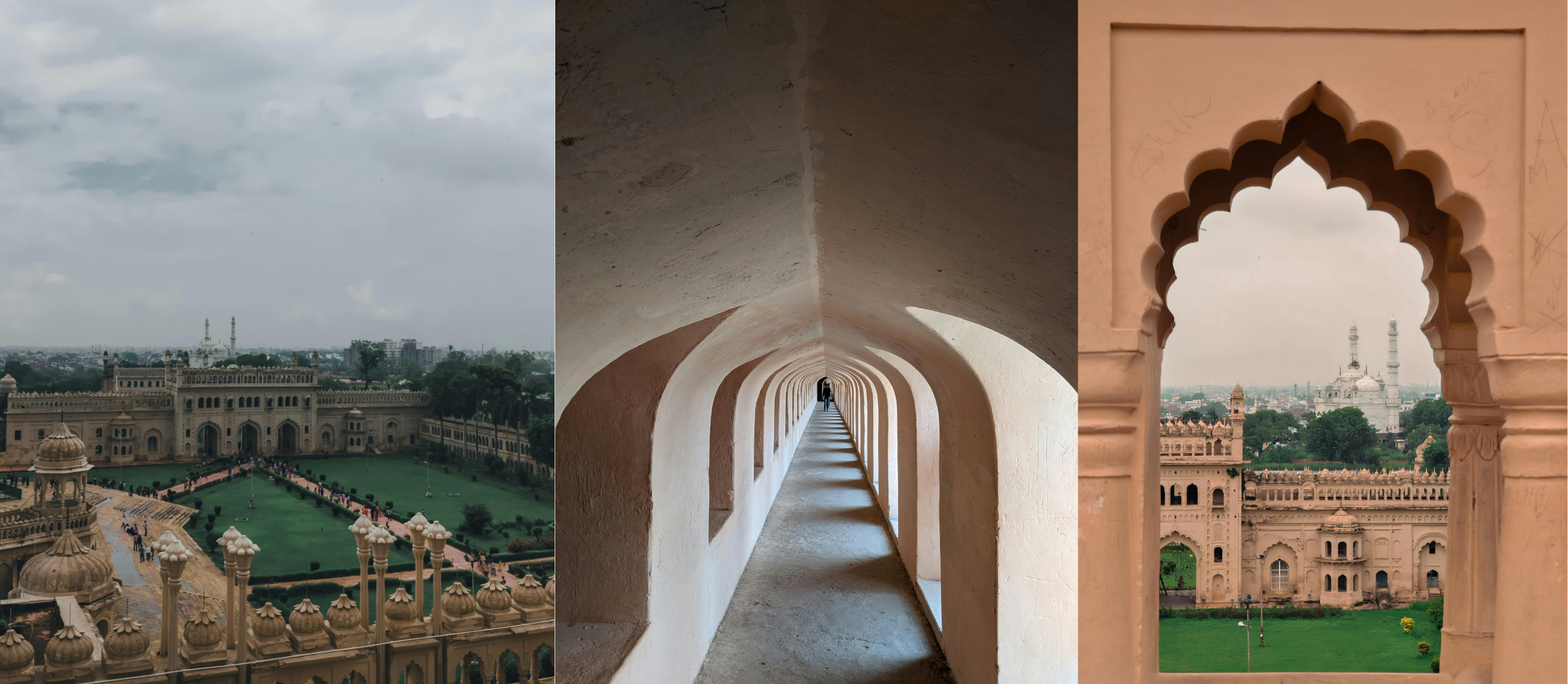
When discussing the magnificent historical places in Lucknow, few sites rival the grandeur and architectural ingenuity of the Bada Imambara, often referred to as the bara imambara in lucknow. This monument is not just a structure of stone and mortar; it is a profound study in how necessity can drive revolutionary design, representing an evolution across purpose, structure, and legacy.
Phase 1: The Evolution of Purpose (1784: Famine to Faith)
The Bada Imambara’s story begins during a crippling famine in 1784. This crisis forced a radical shift in the monument’s purpose:
Necessity is the Mother of Construction: Unlike other monuments in Lucknow built solely for display, the Bada Imambara’s genesis was an act of profound compassion by Nawab Asaf-ud-Daula. The project was conceived as a massive, continuous famine relief measure to provide sustainable employment to his impoverished subjects.
The Legendary Cycle: To guarantee the work lasted and provided long-term income, the famous building and dismantling cycle was implemented. This ensured both the common laborer and the embarrassed nobleman could earn a livelihood.
This origin story firmly establishes its initial evolution from a concept of religious structure to a living symbol of benevolent governance and humanitarian relief.
Phase 2: The Evolution of Structure (Engineering Innovation)
Designed by architect Kifayat-ullah, the monument is a brilliant evolution of the late Mughal architectural style, leveraging structural engineering to achieve monumental scale without conventional supports.
| Feature | Evolutionary Significance |
| The Main Hall (Bara Hall) | This hall is the world’s largest unsupported vaulted chamber (approx. 50m × 16m). This was achieved by evolving past traditional columns, instead relying on immense concrete vaulting and load-bearing side chambers. |
| The Bhul Bhulaiya (Labyrinth) | This famous maze, situated directly above the main hall, evolved from a purely structural solution. Its complex, interconnected walls distribute the immense weight of the roof over the massive, pillar-less space below. |
| Indigenous Materials | The structure uses local Lakhauri bricks and a unique lime mortar (chuna) mixed with organic ingredients like gur (jaggery) and lentil paste. This blend showcases an evolution in sustainable, indigenous building practices that ensured the structure’s durability. |
Phase 3: The Evolution of Legacy (Enduring Icon)
Today, the Bada Imambara holds multiple roles, solidifying its place as a cornerstone of Indian culture and tourism.
Religious and Memorial Site: It remains an essential place of worship for the Shia community, especially during Muharram, and houses the tombs of the Nawab and his architect.
Cultural Landmark: The complex is recognized for its unique blend of architecture and history. Its incredible structural feats and historical significance place it among the most treasured national monuments. While not yet inscribed, its importance is such that it is frequently cited in discussions regarding potential new sites for india world heritage site status.
Tourist Magnet: Its enduring popularity as a major tourist destination confirms its final evolution into an iconic, must-see symbol of the City of Nawabs.
The Bada Imambara is a powerful reminder that sometimes the greatest works of genius are born not of affluence, but of crisis, evolving from a simple relief camp into an architectural masterpiece that stands the test of time.